


High-Voltage Markings Volts Are on the Rise
SCHREINER PROTECH
High-Voltage Markings
Volts Are on the Rise
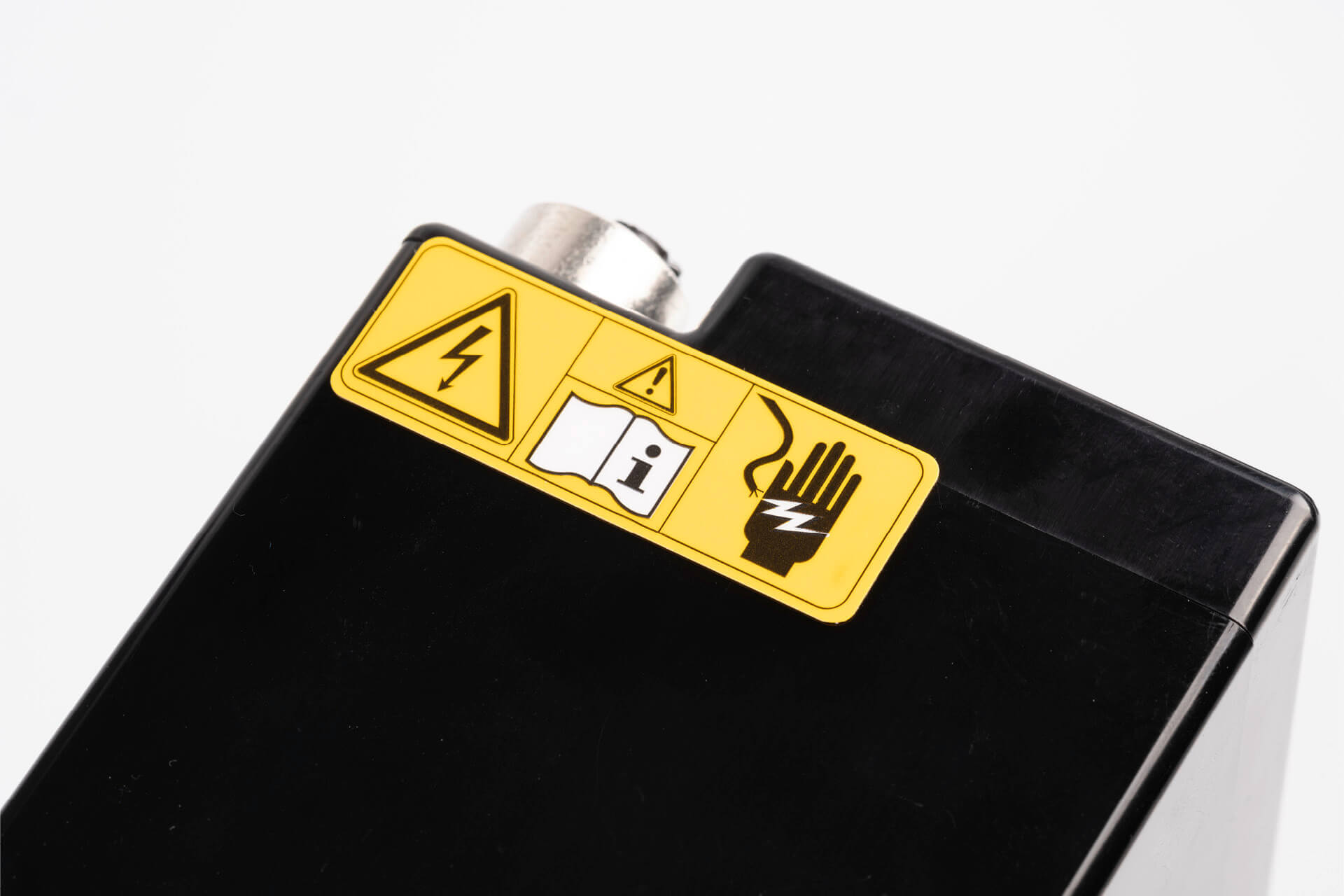
As the number of electrified powertrains keeps growing the focus on safe handling of power electronics intensifies. Today, voltages of up to 800 volts are common in energy storage systems, inverters, and other live components—clearly more than just a few years ago.
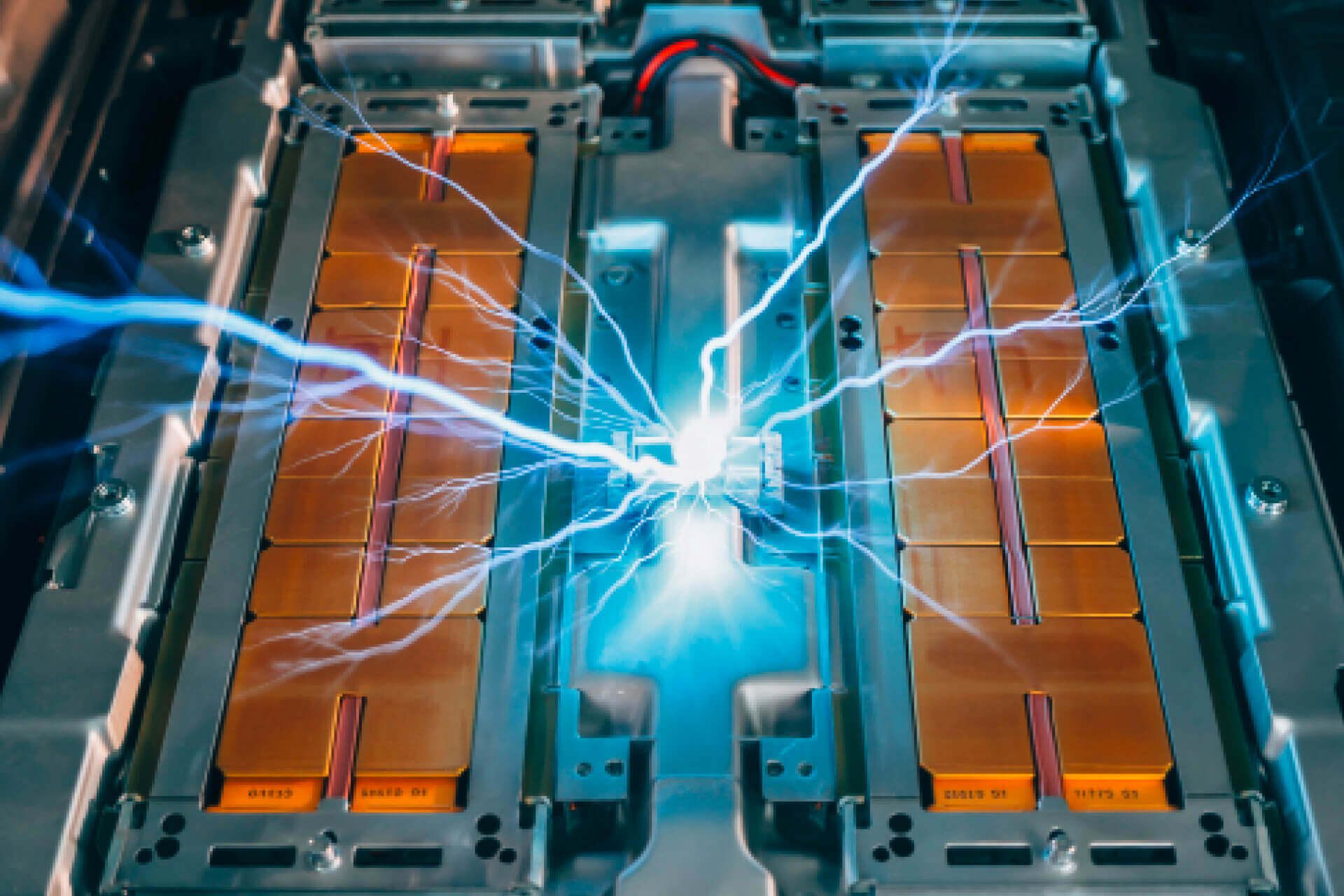
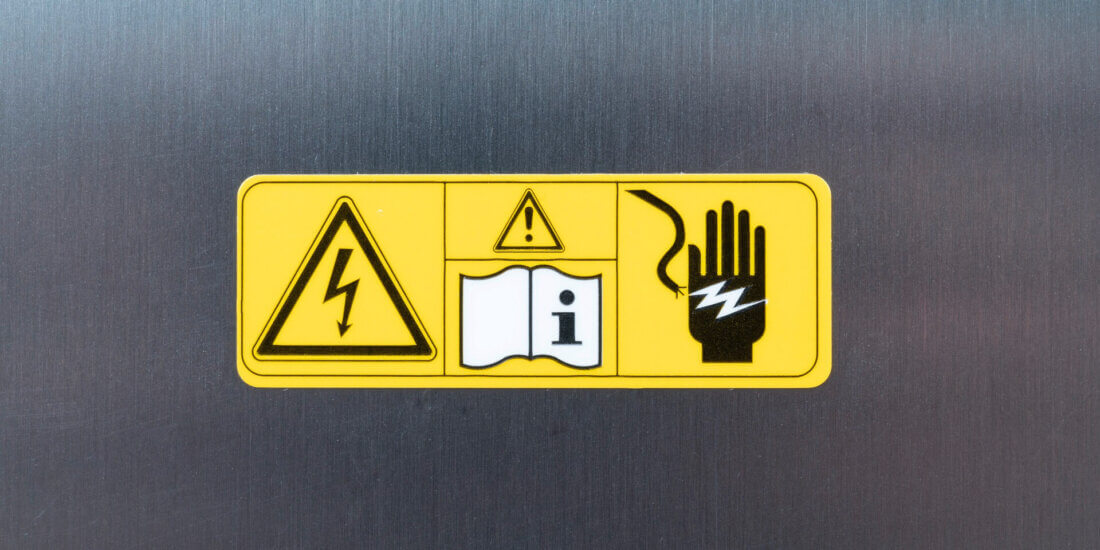
Schreiner ProTech supports OEMs and suppliers with robust high-voltage labels that remain reliably readable and adhesive even under harsh operating conditions. Surfaces vary, depending on which power electronics module is supposed to be marked: smooth or textured, made of metal or plastics. For Schreiner ProTech, that primarily means one thing: a warning label must permanently stick under all conditions. “Our customers expect a marking system that neither discolors nor separates from the substrate—even in the case of permanent exposure to temperature changes, moisture, or cleaning processes,” says Ralf Buchholz, Head of Automotive Electronics Sales. To achieve that, the team uses a high-voltage label featuring a multi-layered material composition with UV-stable inks, protective over-lamination, and high-performance pressure-sensitive adhesives. Aging, solar irradiation, high-pressure cleaning, and media resistance tests are included in the standard scope of services.
Signal Effect for Service Jobs
In addition to the yellow signal color classically utilized in high-voltage areas, some applications use complementary red markings—for instance on inverters where voltages are particularly high. They increase visibility when opening or servicing the component and mark areas entailing a higher risk during service jobs. The greater the complexity of electric powertrain systems, the higher the manufacturers’need for differentiated marking concepts—both in terms of colors and functionality.
The team from Schreiner ProTech develops customized solutions for those purposes that are precisely coordinated with component surfaces, load profiles, and validation requirements. To ensure that warning labels will continue to deliver reliable performance—in a technological landscape that’s literally becoming increasingly electrified at higher levels.